

Don’t Be Storage for Contaminants! Colonial Well – For many years now, we have known that Indoor Air Quality (IAQ) affects the health, comfort, and well-being of the individuals inside of buildings. Additionally, since air pollutants are typically felt and not seen, it can be easy
Read More
Indoor Air Quality Concerns U.S. Consumer Product Safety Association – A growing body of scientific evidence has indicated that the air within homes can be more seriously polluted than the outdoor air, and that people spend approximately 90 percent of their time indoors. Thus, the risks
Read More
Reduce indoor allergens that can trigger respiratory problems and other issues Harvard Health Publishing – It’s important to be aware of some of the allergy and respiratory triggers that may be lurking in your surroundings. While it’s probably not possible to eliminate all the allergens inside
Read More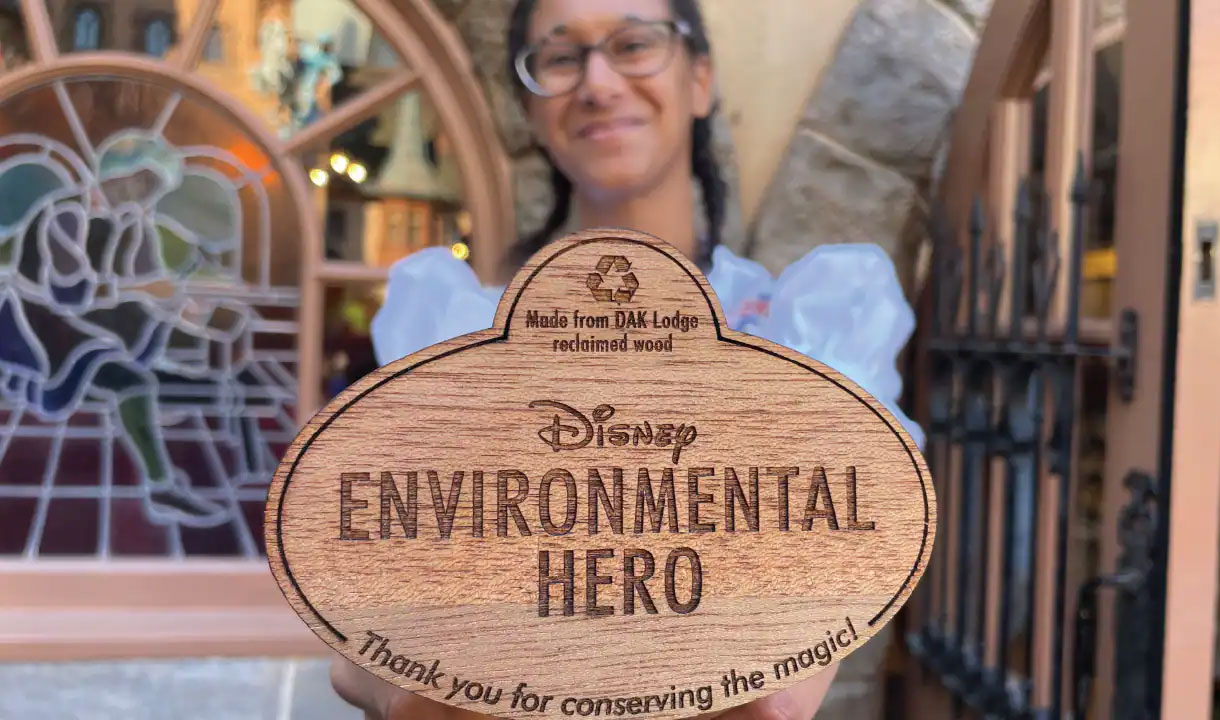
Disney Environmental Heroes by Brennah Chirumbole, Communications Specialist, Walt Disney World Resort As we dive into Earth Month, Disney is shining the spotlight on five Environmental Heroes who are putting possibility into practice by doing their part to conserve natural resources, care for wildlife and their
Read More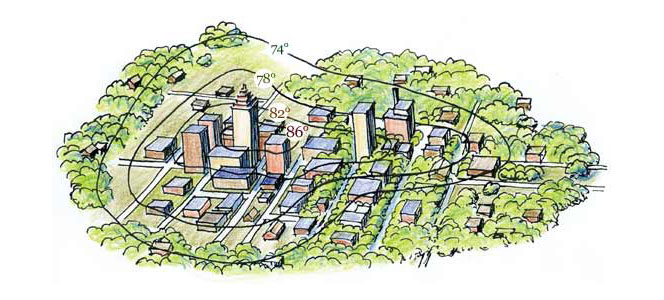
Urban areas without trees can be “heat islands” Arbor Day Foundation – Planting trees in your city’s urban areas is a winning investment for the city, its citizens, and the environment. Urban areas without trees can become “heat islands,” with significantly higher temperatures than other commercial
Read More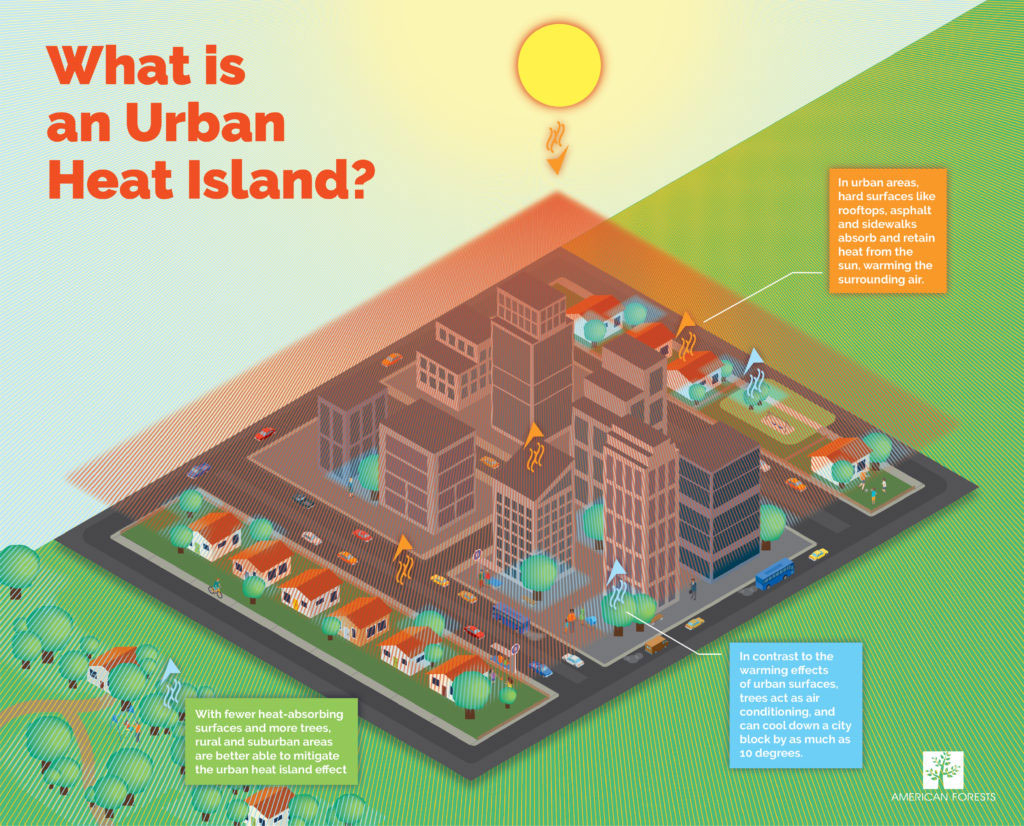
What role do trees play in mitigating urban heat islands and promoting health? American Forests – Why is one neighborhood hotter than another? Chances are it is because it has fewer trees. Trees help cool neighborhoods down and reduce what’s called the “urban heat island effect,”
Read More
There’s so much heat in your city! Conserve Energy Future – If you pay attention to your local weather channel news, you may notice that cities or metropolitan areas are typically warmer with slightly higher temperatures compared to their adjacent rural areas. This temperature difference is
Read MoreNPR – Cities are often warmer than their suburbs because of a phenomenon called “the heat island effect.” The way a city is designed — the building materials used, the way streets are arranged, the lack of canopy — can actually sequester heat. More than half
Read More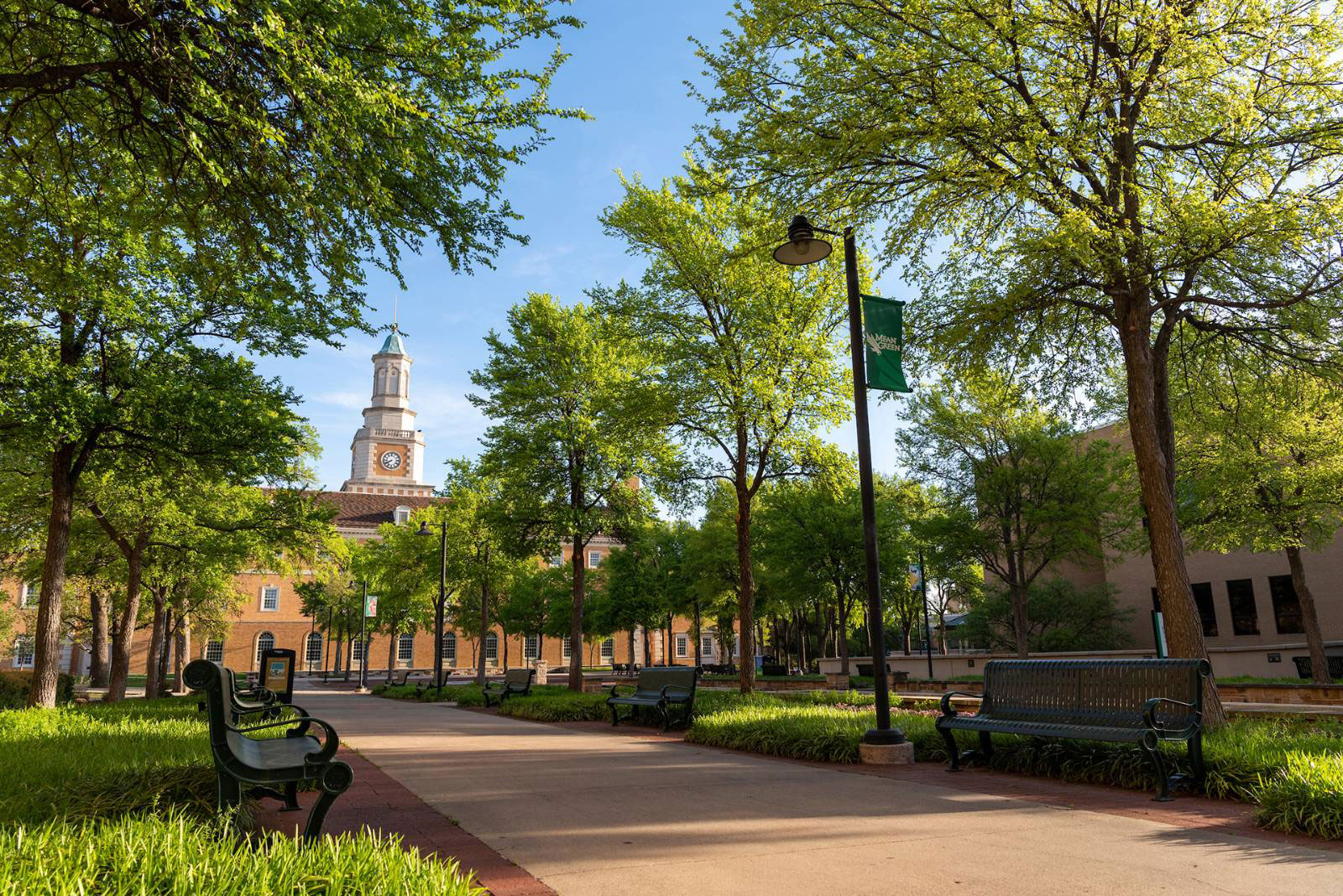
What is the Urban Heat Island? City of Dallas – Like many metropolitan areas, Dallas’ is affected by an Urban Heat Island (UHI), sometimes there is a 10-12 degree temperature difference between the inner urban and rural areas, which is caused by the large concrete areas
Read More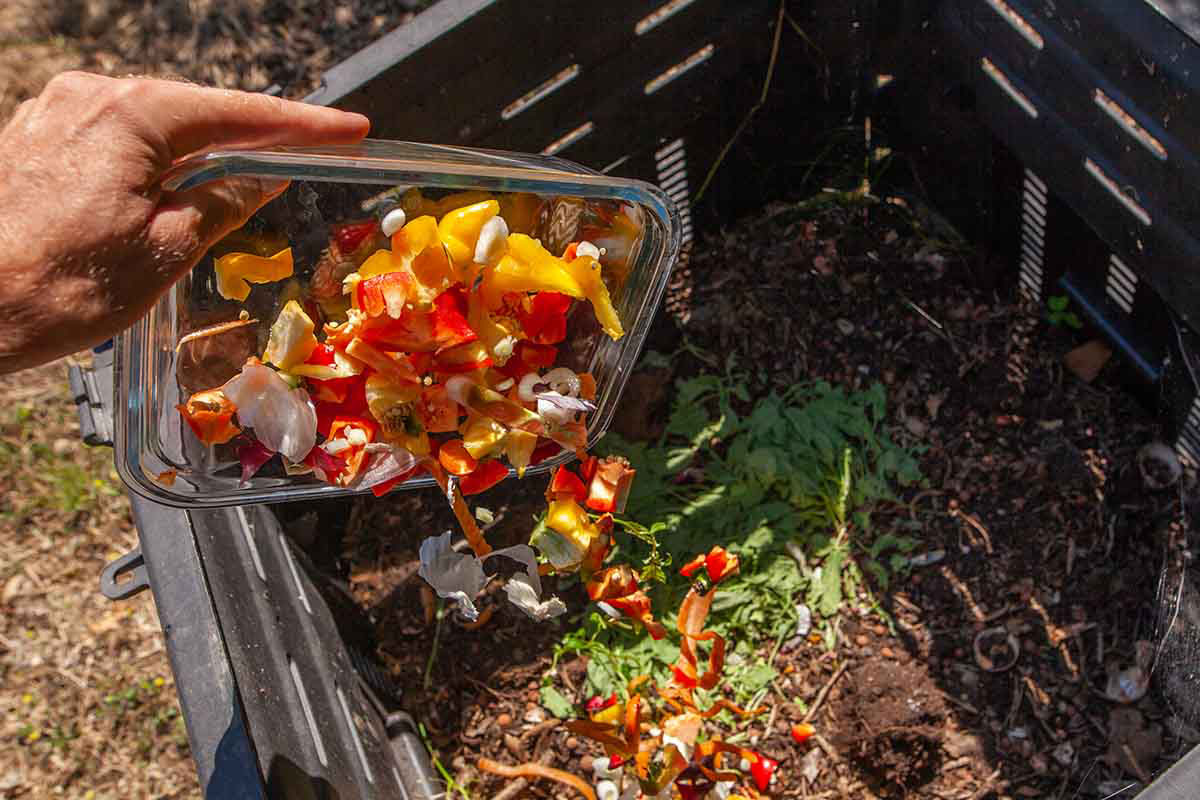
Why compost at home? Environmental Protection Agency – Composting is nature’s way of recycling. It is one of the most powerful actions we can take to reduce our trash, address climate change, and build healthy soil. By turning our food scraps and yard trim into compost,
Read More